As long as our hearts seem to be beating fine, most of us do not give it another thought. But we have all heard or known of family and friends who appear to be in the pink of health collapsing and dying suddenly.
It turns out that these anecdotes are not random occurrences. Heart disease is the leading cause of premature deaths (lives lost between the ages of 30 and 69, below Malaysia’s average life expectancy of around 75). A total of 95,266 deaths were recorded in 2022 within this age group, according to data from the Statistics on Causes of Death Malaysia 2023 report.

“It’s never too early to start looking after our hearts. Heart disease is a lifestyle disease, and the risk factors accumulate over time. We all need to keep an eye on our weight, blood pressure, and cholesterol, especially if there is a family history of heart disease. We also need to undergo screening.
“We are not in control of our genes, but we can manage our lifestyle, and diet is a big part of this,” says Consultant Dietitian Indra Balaratnam.
Be mindful of your heart:
Preventing heart disease, says Indra, starts with controlling and prioritizing a heart-healthy diet.
Do not overeat:
It’s important to eat enough to meet our nutritional requirements but not to overeat. Controlling our calorie intake is crucial to maintaining a healthy body weight.
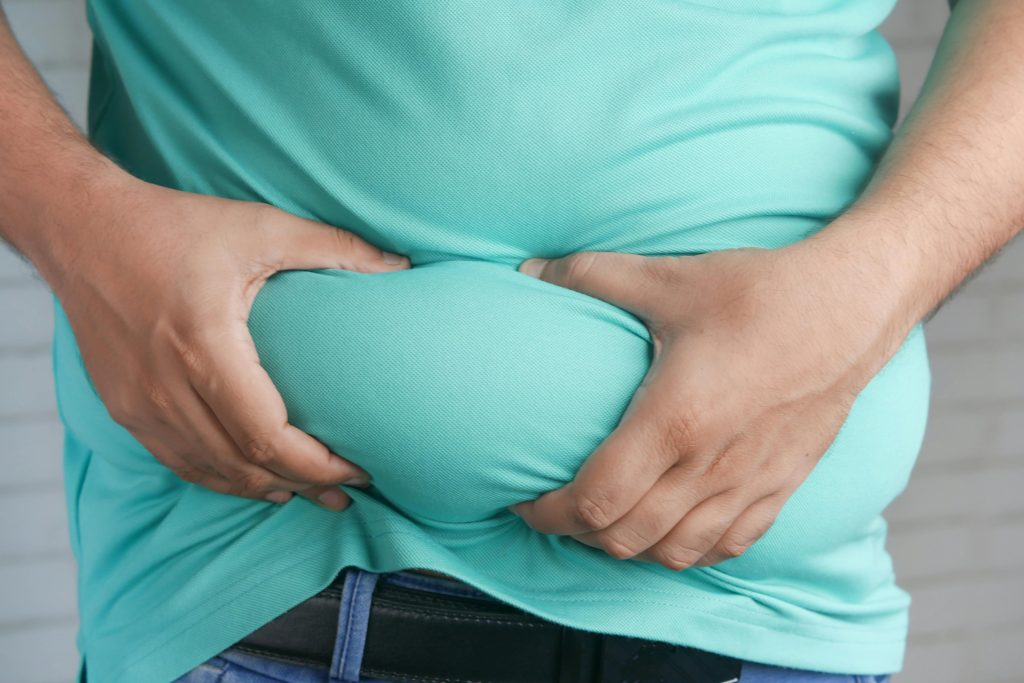
“If you are carrying excess weight, you only need to lose 5-10% to see a difference in your heart health. When people think they have to lose a lot of weight, they might find it too daunting and get discouraged from even trying.
“But you only have to start and try to lose some weight,” says Indra.
Know your fat:
We need fat in our diet for it is a significant source of energy and helps your body absorb certain vitamins and minerals. There are two types of fat: saturated and unsaturated.
Saturated fat is considered “bad fat” and is found in meat, dairy, fast food, and processed food. High amounts can drive up total cholesterol levels, including more “bad” LDL cholesterol. Too much LDL can cause atherosclerosis, a form of blood vessel disease that can lead to heart attacks and strokes. Because of this, most guidelines suggest keeping saturated fat intake to less than 7% daily calories.
“We do need fat, but not a lot. Avoid fatty cuts of meat and excessive butter. Go for healthy sources of monounsaturated fat, especially those found in whole foods such as walnuts, seeds, and avocado,” advises Indra, adding that we also need to be careful of trans fat found in fast food and processed food.
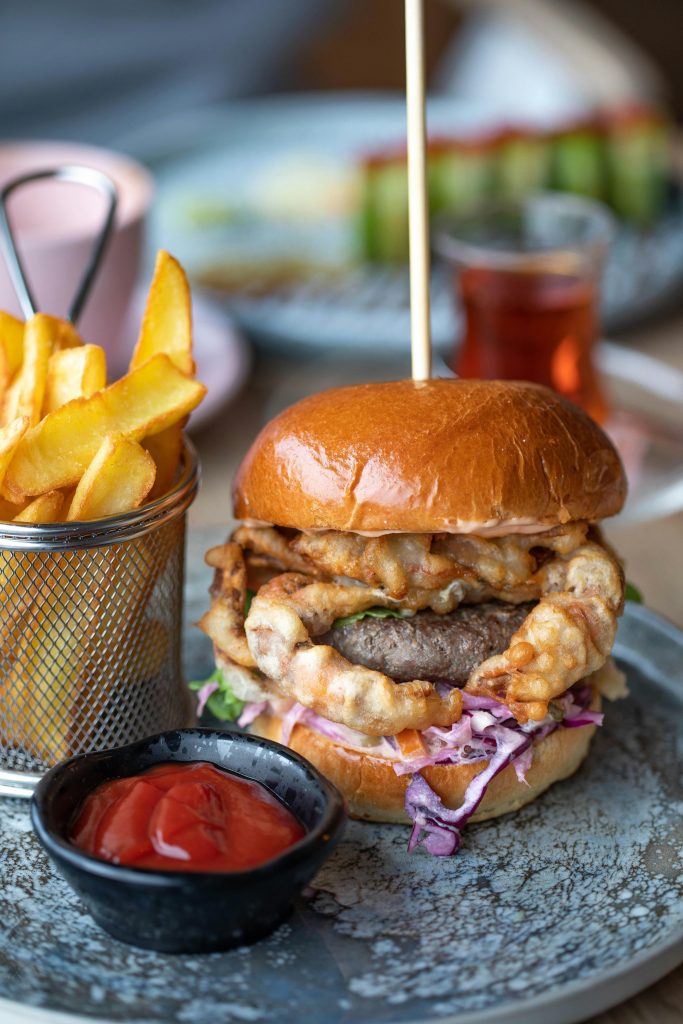
She also suggests opting for cooking methods that use less oil, such as grilling instead of deep frying.
Limit salt intake:
Managing sodium intake is vital as it affects blood pressure.
“Most processed food has a lot of sodium, so that should not be the mainstay of our diet. It’s easier to control salt intake if we cook at home, but it’s harder when we are eating out. We just need to take control and choose wisely. For instance, a potato has no sodium, but a bag of potato chips has lots of salt,” says Indra.
Drink alcohol sparingly:
Regular or high alcohol consumption can raise blood pressure and lead to heart disease.
“The recommended intake is one drink a day for women and two drinks for men,” says Indra.
Cut down on sugar:
Sugary food tends to be high in calories and causes weight gain. So, it’s best not to indulge in too many sweet treats.
Eat whole foods:
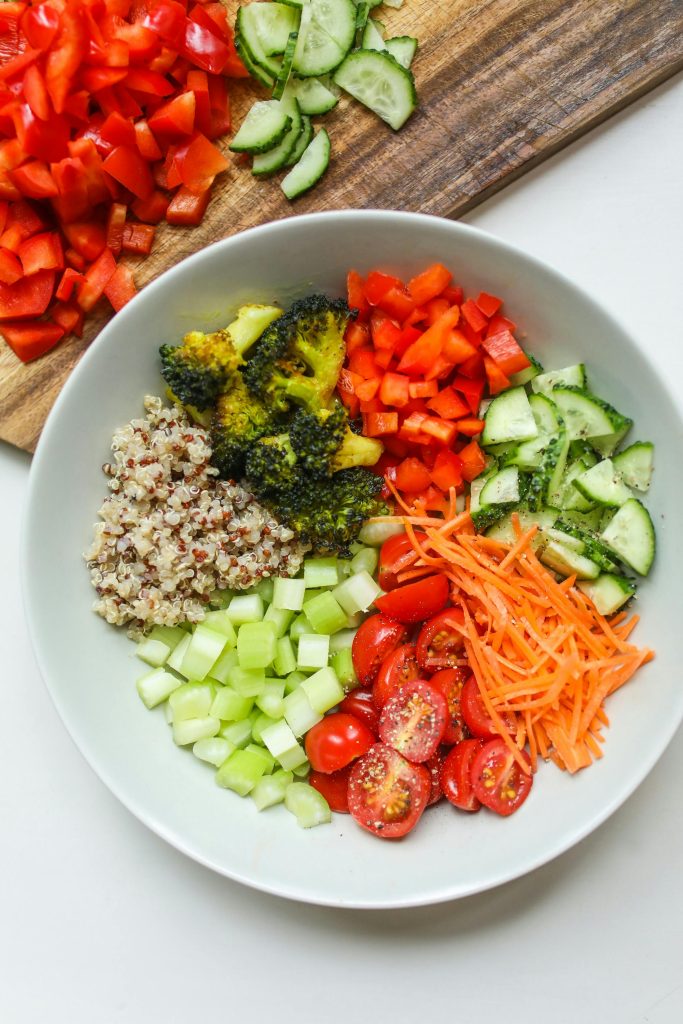
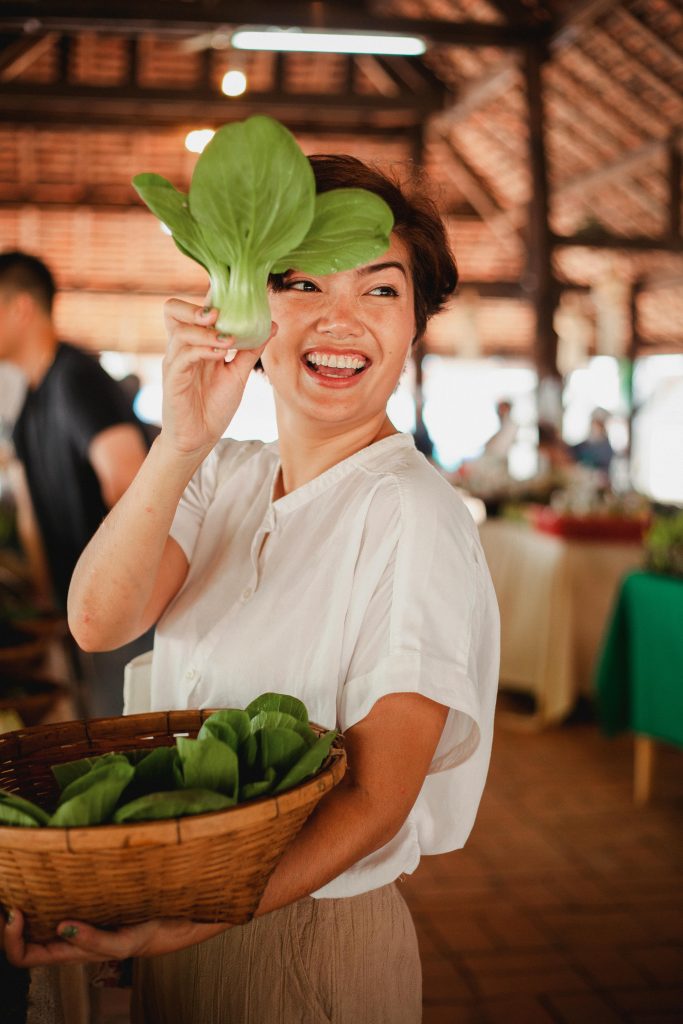
Whole foods are foods left close to their natural form and unprocessed. This includes vegetables and fruits, protein such as meat and fish, and nuts and seeds. Whole foods are usually high in fiber and have no added saturated fat, salt, or sugar.
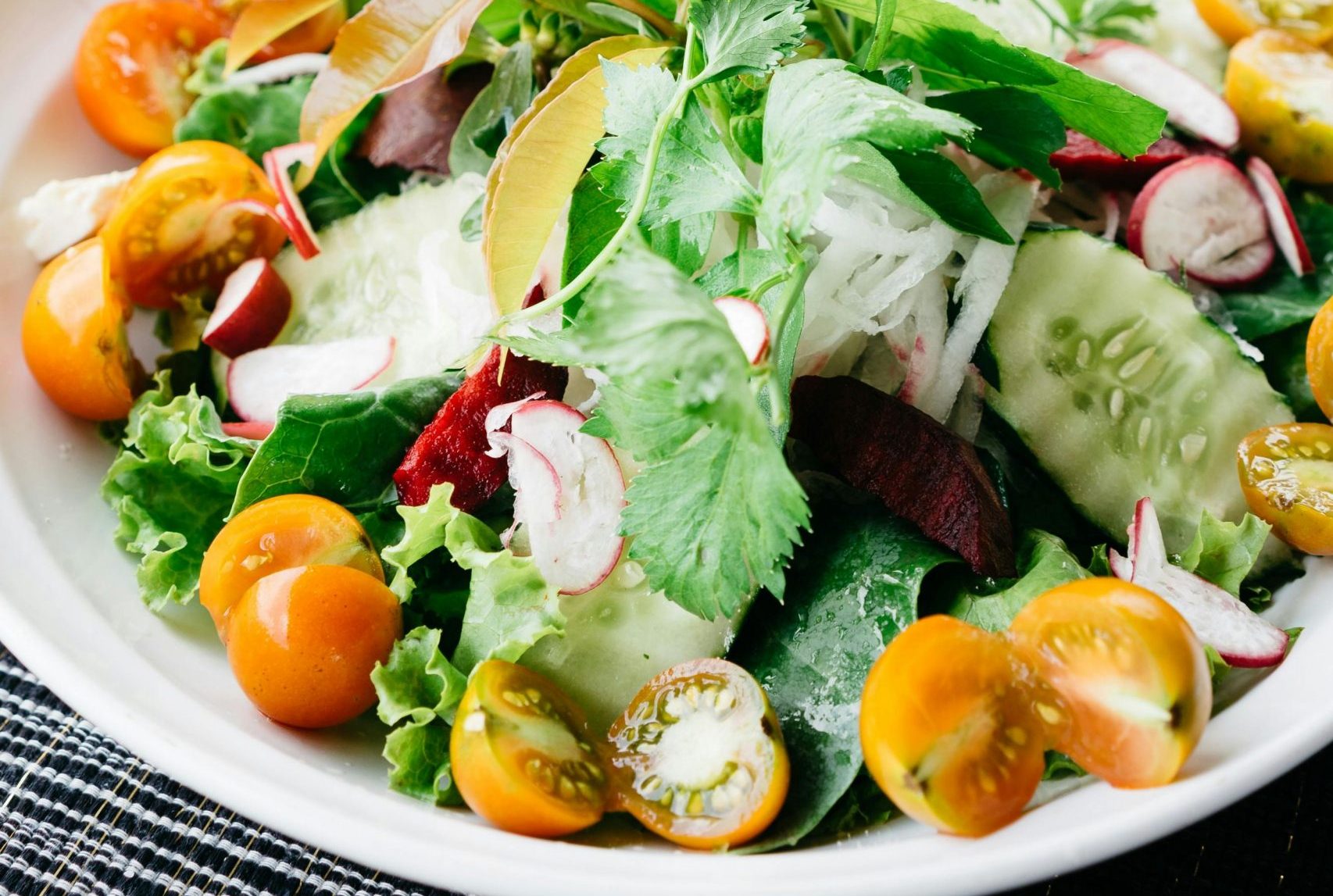
“Aim for a healthy diet with lots of vegetables and fruits, lean protein, and whole grains. Adopt the ‘half, quarter, quarter’ guideline, which means half of our meal should be vegetables, a quarter carbohydrates, and a quarter lean protein,” says Indra.
Many health experts recommend following the DASH diet or Mediterranean diet as ideal heart-friendly diets.

But knowing what keeps heart disease at bay doesn’t always translate to appropriate action. Indra, who has worked with many seniors to design their diet plans, says the elderly face certain challenges in adopting a healthy diet.
“Some seniors prefer to eat out rather than cook because it’s part of their social life or they are just too lazy to cook for themselves. It’s okay to eat out, but you have to make healthier choices like opting for chapati instead of roti canai, or having soupy noodles rather than fried noodles.
“Some of my clients say they prefer to eat at the economy rice stall because they can control the portions,” shares Indra.
She said that cost is also a barrier to eating well, but there are always cheaper options such as buying local fruits instead of imported fruits.
Eating is a social event for most people, and there is often social pressure to eat lavishly.
“When seniors go out, their family and friends might encourage them to indulge, and they may not understand their dietary restrictions. One of my clients got around this by meeting her friends at parks for a walk instead of for meals.”
Indra said, “You yourself have to prioritize your health and take charge of your diet. Dietitians can help with solutions, but it’s vital for individuals not to put their health on the back burner. Heart disease is a silent killer, so people must go for regular screening and deal with their health issues, especially if there is a family history of heart disease. And a big part of that is eating right.”