Women’s moods are often the butt of jokes especially when it comes to emotions.
This is what you’ll hear “period ah?” or “you have PMS?” when someone goes into mood swings. Even when it’s a guy. The discomfort from menstruation for a woman can bring out the worst temperament in her.
Twenty-five to 30 years down the road, the same remarks are made but this time they are “I think menopause la!” or “…going to be menopause already!” And the same will be thrown at a moody middle-aged man. Even though the correct term for a male is andropause.
So menopause becomes the F word for those who are suffering from the symptoms and those who are suffering from the behaviour of those suffering from the symptoms.
Don’t we wish there was a pill that could hasten the process or eliminate it altogether?
But each woman experiences menopause differently and some doctors believe is hereditary. Getting to know how one’s mother experienced it could give her an idea of what to expect when the oestrogen level starts to decline and mood swing kicks in with the hot flushes.
Most women reach menopause after their period has stopped for 12 consecutive months and this is usually between the age of 45 and 55 years. Suggestions abound from research, clinics and personally shared experiences on managing the hot flushes, lack of sleep, mood swings, depression and weight gain.
The last resort is hormone replacement therapy (HRT) which doctors would prescribe after conducting a series of tests.
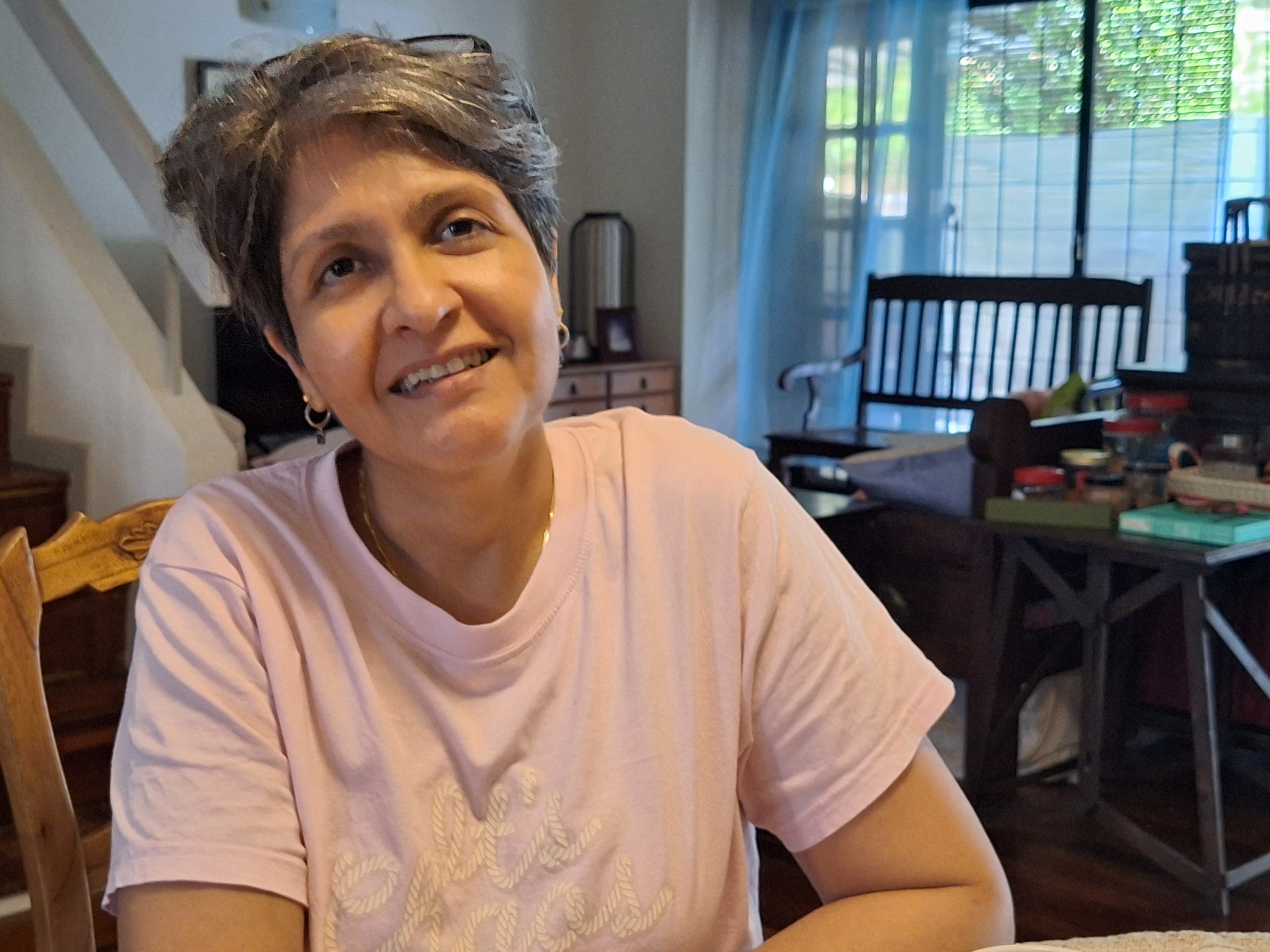
“I would recommend a strategy that requires a change of lifestyle,” says Dr Ravinder Kaur, 53, who reached menopause 2 years ago.
At what age does menopause start?
There are 3 stages of menopause. The pre-menopause stage can start when the woman is around 25 years old but people don’t realise it. It is the time when oestrogen hormones start to decrease. However, the more obvious sign is slight weight gain if you don’t take care of your food intake and do regular exercise.
The next stage is perimenopause usually after 40 years old. Most women would still be asymptomatic and if there are symptoms it would be mood changes and declining libido. For couples, the test of the relationship begins here especially if the partner does not understand or is empathetic.
Some patients menopause at 45 and before they are 50, the hot flushes and most of the symptoms would have settled. Some others would have to endure it way past 50 juggling the menopausal symptoms, work, family and household chores. Being overwhelmed, it is easy for these women to fall into depression.
What are some more noticeable changes to expect?
Weight gain, belly fat, mood swings and depression. Some women may also experience other physical issues like constipation, adult acne and bone aches. changes in the system like bowels.
Once menopause starts, together with the unwanted access weight is untoned muscles. For active people, these symptoms would be milder. There is no shortcut except a change in lifestyle to include exercise and proper diet.
Take a high protein diet like meat and fish, especially for ageing people.
A general guide is 100-150g of protein for a person weighing 60-70kg per day. A piece of chicken breast of 150g has roughly 50g of protein. You can consume the balance of protein requirement from other sources. Reading the labels of goods that you buy is important.
What to do at the perimenopause stage?
When the body begins to feel lethargic and uncomfortable, the things you do should help you feel good and positive. Failing to do this would set a platform for depression and insecurity to grow.
“I have been neglecting myself since giving birth to my first son who is 17 now. I have decided to get a grip on the decline and step up to address old age with exercise. I have signed up with a gym and a personal trainer to help me do strength training,” says Dr Ravinder.
Once your oestrogen level is down, you are susceptible to arthritis and heart attacks. For the more intolerable symptoms, doctors would prescribe HRT and patients would have finally gotten their life back.
“Patients come to me at various stages of menopause and I counsel them to come up with a strategy to alleviate depression and manage the symptoms without relying on medicine.
“Don’t be afraid to try TCM (Traditional Chinese Medicine). Consult established practitioners and some natural therapy like pearl powder to help relieve hot flushes,” Dr Ravinder advises.
(There are exercises online that can help with the effects of menopause)
She adds that men go through a similar phase in life, andropause, where they develop depression, loss of sex drive and other physical and emotional symptoms. This happens when they reach their late 40s to early 50s where they will also experience loss of muscle mass and weight gain.
But few would consult a doctor with these symptoms and choose to let it pass on its own. – JE Tan