
CONSULTANT dietitian Indra Balaratnam’s mission is to educate people on eating well for health, and she has long learnt that it’s not just about the kind of food one eats but also the circumstances surrounding eating. She helps her clients find food solutions to enable them to eat healthy balanced meals, and this is especially crucial for seniors.
Individuals’ dietary requirements can evolve throughout their lives, but significant changes often occur as we age, says Indra.
“As we age, various factors such as metabolism, physical activity level, hormonal changes and the body’s ability to absorb certain nutrients can influence our nutritional needs.
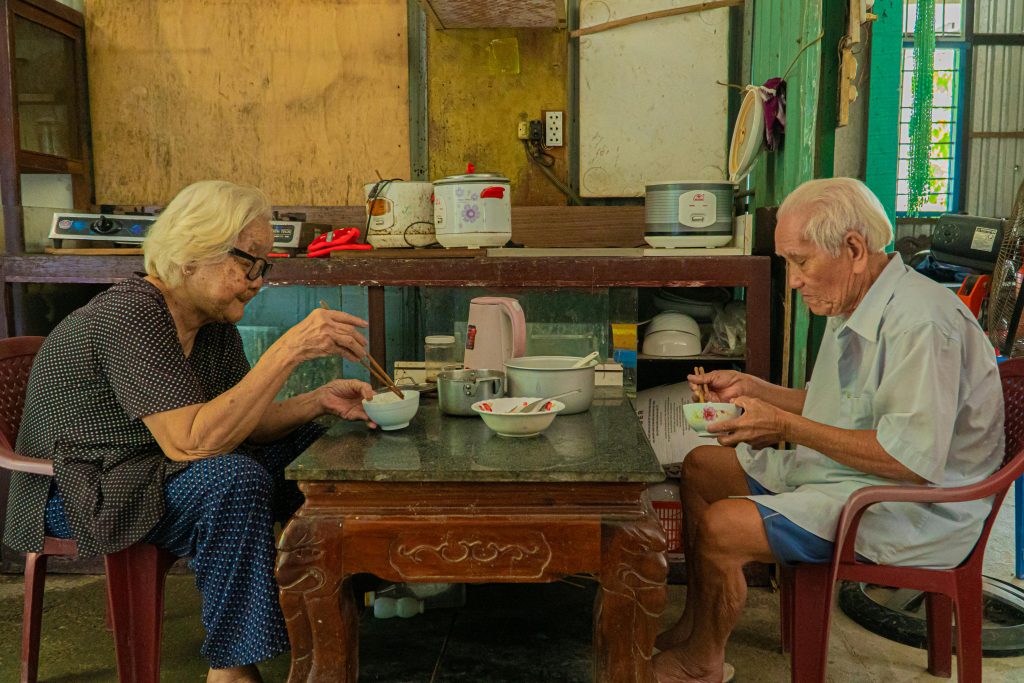
“For many seniors, maintaining a balanced diet becomes increasingly crucial to support overall health and well-being, as well as to manage chronic conditions commonly associated with ageing such as oestroprosis, heart disease and cognitive decline,” says Indra.
In other words, you can’t eat at 60 the way you did at 30. But it’s even more important for seniors to eat well as they age to maintain good health and protect against ailments.
Here are some key considerations that seniors need to be mindful of :
CALORIC INTAKE
With a decrease in metabolic rate and physical activity, many seniors require fewer calories. It’s essential to consume nutrient-rich food without excess calories.
Be mindful of portion sizes. Eating smaller and more frequent meals and snacks can prevent over-eating while still providing neccessary nutrients for overall health. It can also help alleviate digestive issues and maintain energy levels throughout the day.
While it’s important to monitor our weight, do not follow diet fads blindly. Be especially wary of extreme diets that eliminate certain food groups.

NUTRIENT DENSITY
Focus on nutrient-dense food rich in vitamins, minerals and antioxidants. Seniors need to eat lean protein, whole grains, plenty of vegetables and fruits, and healthy fats to support immune function, bone health and cognitive health.
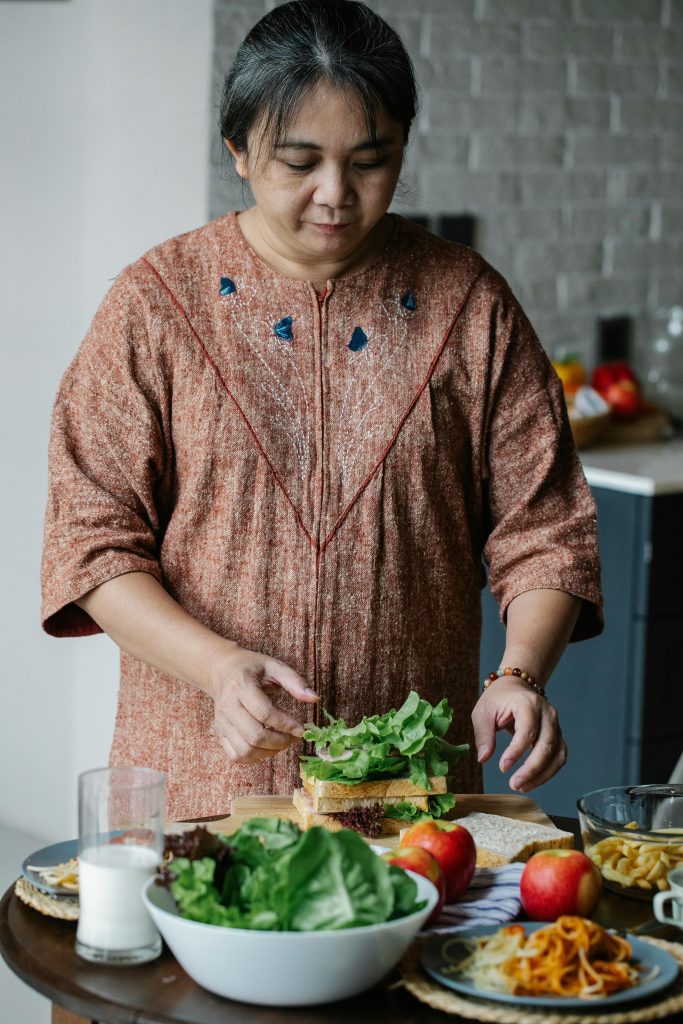
Scrutinise your shopping list and ensure that you have a diverse and balanced diet. Check that you have ingredients from the five food groups namely protein, carbohydrates, dairy, vegetables and fruits. A nutrient-dense diet will not only help maintain bodily functions but stregthen your body’s ability to fight age-related ailments.
Pay attention to protein intake as maintaining muscle mass becomes increasingly important with ageing. Eat high quality protein such as fish, poultry, tofu, legumes and dairy products to support muscle health and prevent age-related muscle loss.
Constipation is a common problem among seniors, so ensure adequate fibre in your diet. Eat fruits, vegetables, whole grains and legumes to promote regular bowel movements and maintain digestive health.
Calcium and Vitamin D intake is important as maintaining bone health becomes even more crucial as we age. Take calcium rich food such as dairy products, leafy greens and fortified food, and ensure adequate Vitamin D from sources like sunlight, fatty fish and fortified food.
STAY HYDRATED
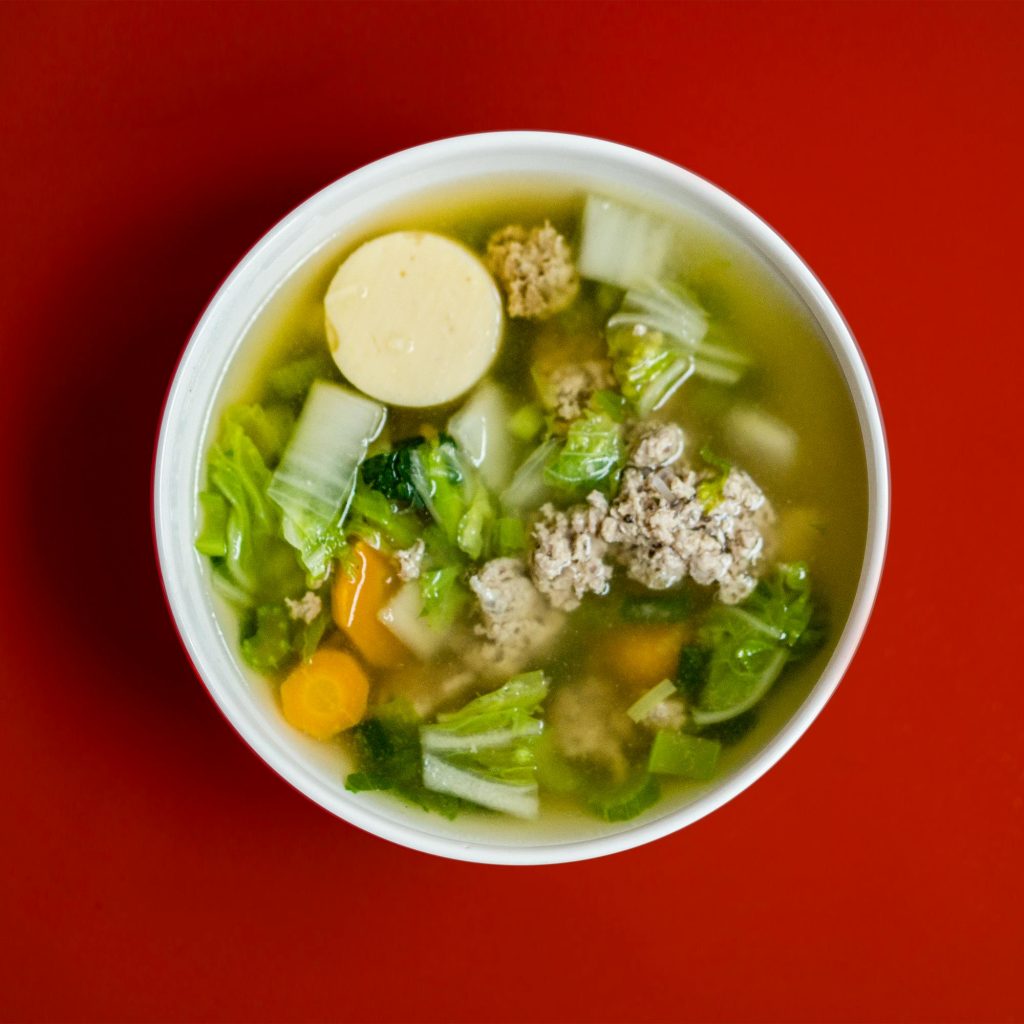
Seniors could be vulnerable to dehydration due to changes in thirst sensation and kidney function. Make sure you have fluids throughout the day. Drink water and herbal tea, and eat hydrating food such as soup, cucumber and watermelon.
MODIFICATIONS
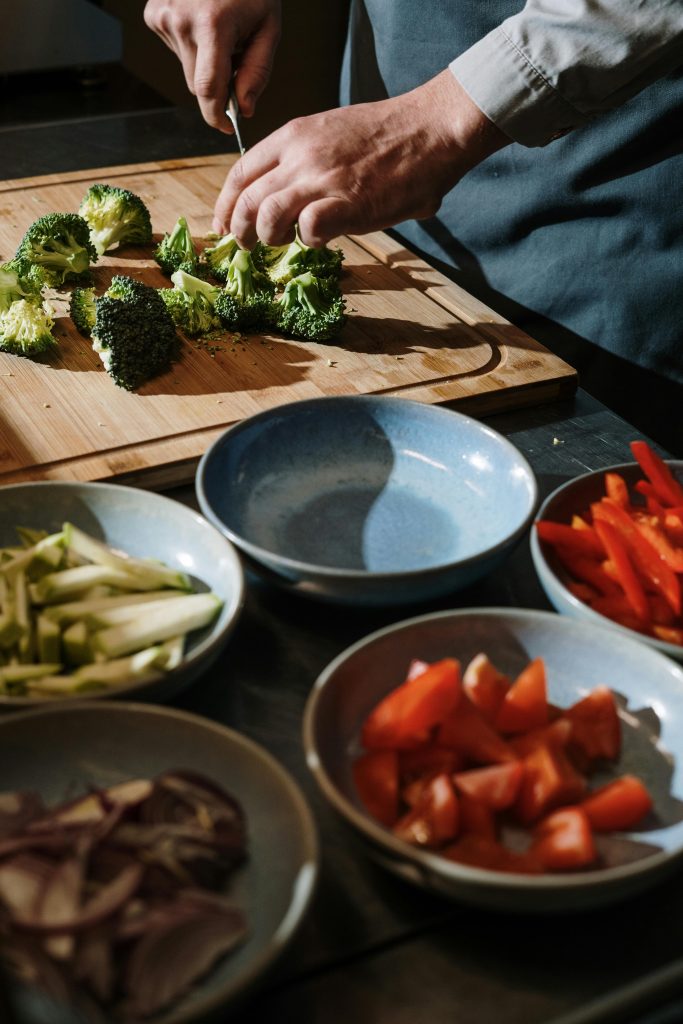
As one ages, circumstances and abilities can also change. For instance, we might need to change the way we prepare food such as mincing meat finely or dicing vegetables to accomodate dental issues or swallowing difficulties.
Some seniors may also not be up to the task of cooking, especially if they are living alone. Family members must be clued in to their senior members’ eating habits to ensure they are not neglecting their diet. Look into their refrigerator and pantry to monitor what food senior members are eating. If need to, help seniors to look for solutions such as ordering groceries or meal deliveries.
You could also introduce modern cooking tools to seniors but make sure they know how to use the machines and are able to accept the new ways of cooking.
CONSULTING THE DOCTOR
It’s also important for seniors to consult with healthcare professionals to be aware of their specific medical conditions. This will enable them to modify their diet to address their health issues. For instance, some seniors may have hypertension and must be mindful of reducing their salt intake.
SOCIAL CONNECTIONS
Sharing a meal is a meaningful and enjoyable social activity for most Malaysians, and this social connection promotes emotional well-being, better appetite and closer interactions. Eating with family and friends is also an important social activity that prevents isolation and loneliness in seniors.
“In essence, an ideal diet for Malaysian senior citizens focuses on diversity, portion control, hydration, addressing specific health needs and fostering social connections. By adopting these dietary habits, seniors can sustain their longevity and enjoy a higher quality of life in their golden years,” concludes Indra.
One-day sample menu
Breakfast:
Oats cooked with milk and topped with nuts, chia seed and fresh cut fruits
Coffee or tea (optional)
Lunch:
Wantan noodles with shredded chicken and wantan soup (request for extra greens)
A cup of soya bean milk
Teatime
Wholegrain crackers spread with peanut butter
Hot beverage (optional)
Dinner:
Stirfried Chinese style fish fillet with celery
Steamed soft tofu with braised mushrooms
Stirfried kailan with garlic
1 portion of rice
Sliced pear
Nighttime snack (if required)
Hot malt beverage
1-2 plain biscuits.