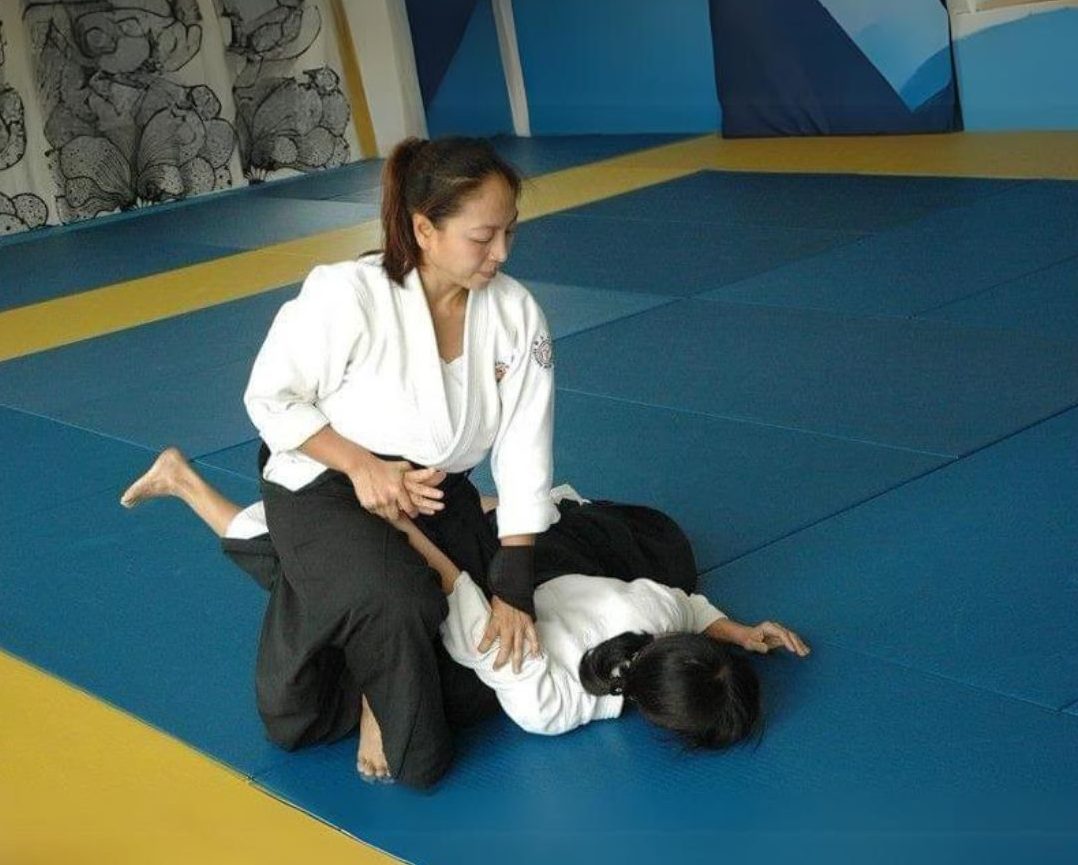
AT 56, Raja Sazita Raja Ahmad Siffudin is aware of the ravages of age creeping up on her. Although she keeps active by cycling and diving, there are some activities her knees tell her she can’t take up just yet, such as scaling Mount Kinabalu. But unlike most people, Sazita has a safe refuge from the travails of time and age – the dojo.
Sazita is a longtime aikido practitioner, and when she steps on the dojo, mat, she knows her body is in a safe place. She is focused on her whole body movement, and is able to roll and practise the aikido techniques she has learnt for over 22 years now.
“There is no end to learning in aikido, and a lot of people in Japan practise aikido into their 70s. Aikido’s full body workouts build strength and muscle tone, which is good for seniors.
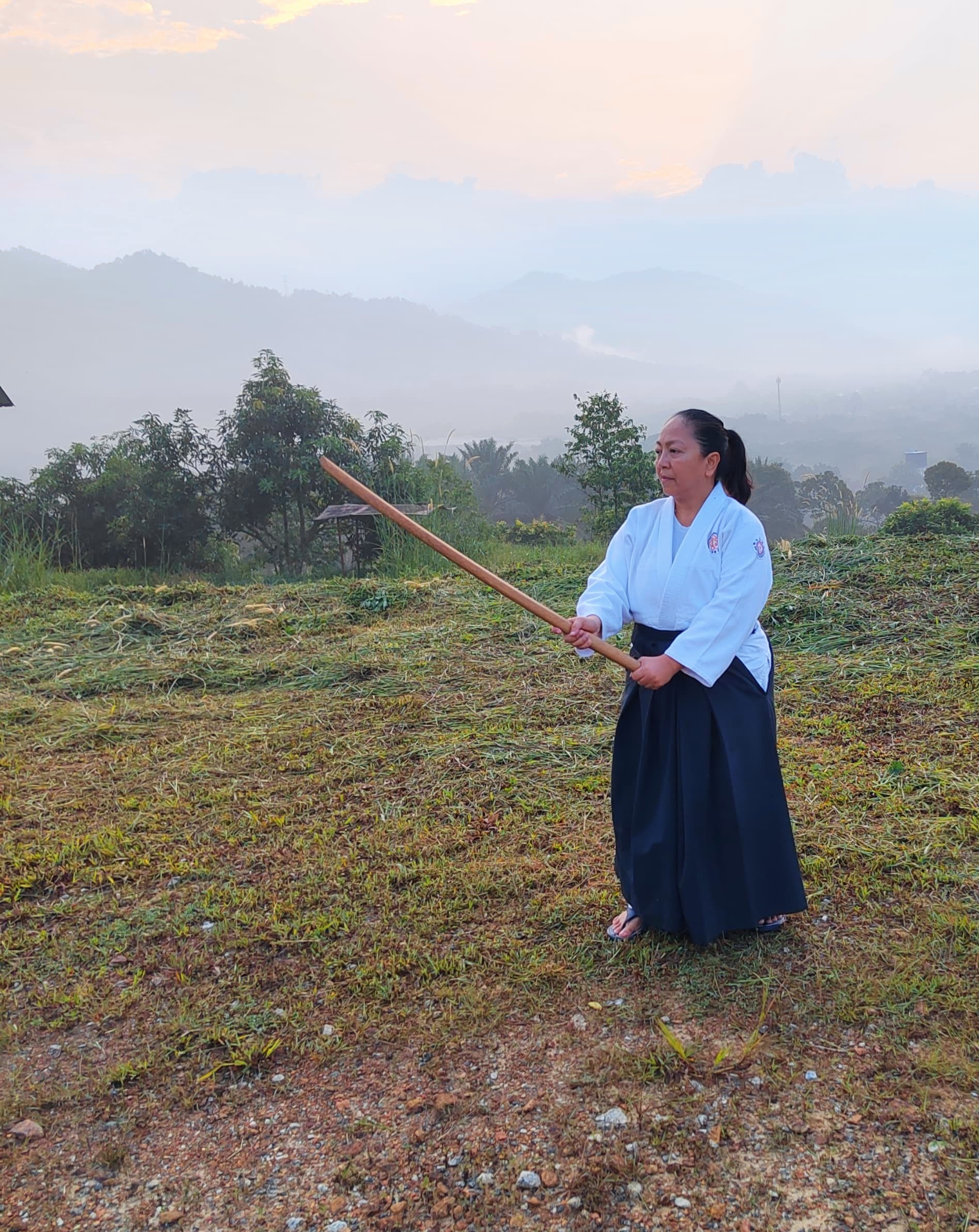
“Age is not an issue at all and you can even start later in life; how you progress depends on how you train,” says Sazita who is the communications head in a telecommunication company. She is now a 4th dan black belt exponent and is the honorary secretary of the Malaysian Aikido Association (MAA).
She started in aikido in 2002, together with her sister and brother. They eventually dropped out but Sazita continued because she found that the martial art’s philosophy resonated with her. She values the ethics and rituals in aikido which promotes humility, discipline and respect.
Aikido, a Japanese martial art, was developed by Morihei Ueshiba in the late 1920s, and is loosely translated as “the way of the harmonious spirit”. Aikido emphasises using an attacker’s force and momentum against them, rather than brute strength
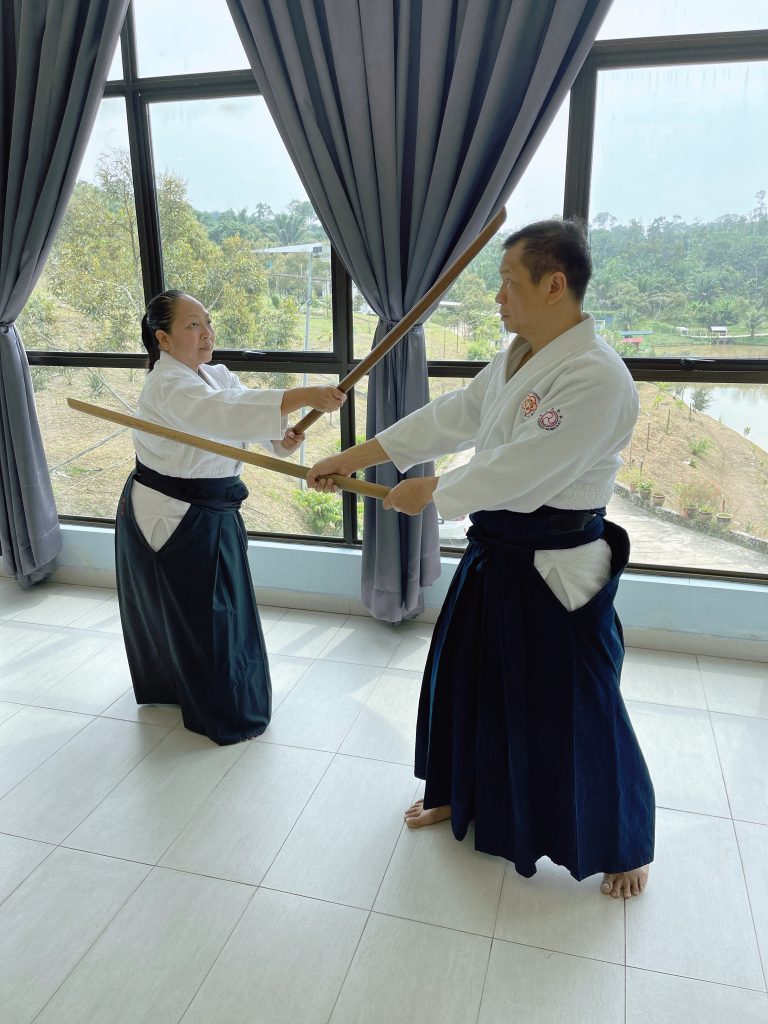
“Aikido is not just what you do on the mat. It builds your character as it teaches you about humility and respecting others. In bowing to each other you show respect. We learn to keep our ego aside when we step on the mat,” shares Sazita who says she is able to destress from all worries when she is training in aikido as it requires her full concentration.
She also stresses that aikido is non-competitive and non-combative. It’s not about using brute strength but on directing energy.
“In aikido, we have to work with our partners and take care of each other. We can’t do it alone but need to work with a partner and from there, we learn to take care of each other in order to progress. I like this aspect of aikido, where we want to see each other do well and progress. You feel like your team members have your back, and you are part of a community,” she adds.
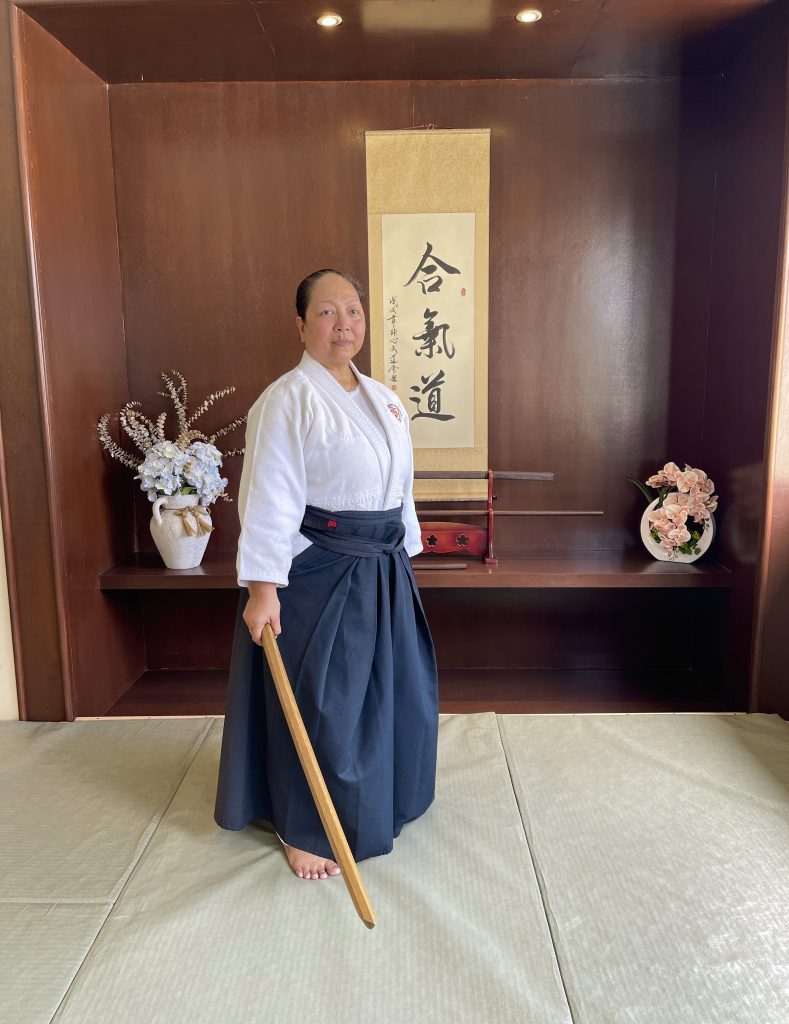
Over the years, Sazita has gradually taken on more responsibilities within her dojo and also in promoting the sports through her work at MAA. She also takes part in aikido gatherings overseas. She is now also a sensei, trainer, and mentors junior practitioners.
Apart from keeping her physically fit, aikido has also given her Sazita confidence. It has trained her to be alert and aware of her surroundings, and also equipped her with the ability to respond quickly and effectively in dicey situations. Aikido I s a form of self defence that women can take up.
“There are few women in Aikido in Malaysia. But this martial art is really good for women. For one, it’s not competitive so there is less stress and you can concentrate on your own growth.
“Aikido is all about directing our energy (in the movements) and not so much about physical strength,” she says.
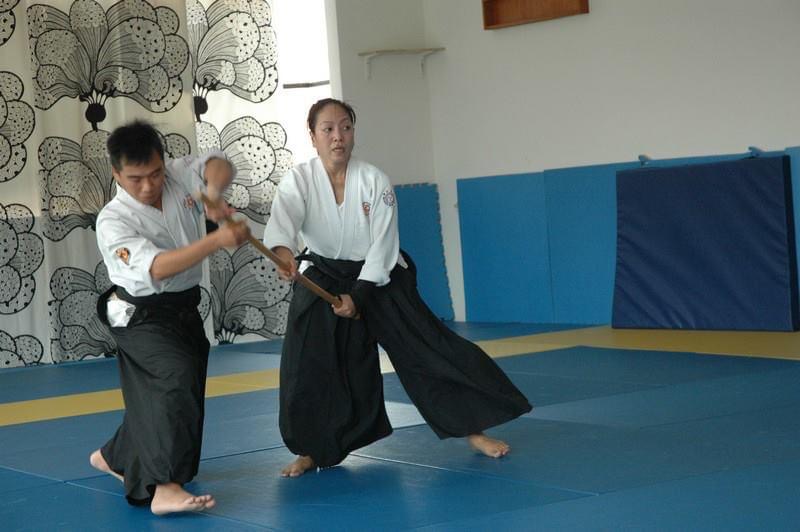
“I hope that more women will join aikido. It’s not just a good form of exercise but also self-defence.“Just go with the flow, and practise consistently. If you keep going to the dojo to practise, you will get better and better. It’s also good to train with others so you can grow together,” adds Sazita who trains twice a week at her dojo in Brickfields, Kuala Lumpur. She also practises other martial arts such as the Chinese wing and Filipino art of kali.
– Molly Lim